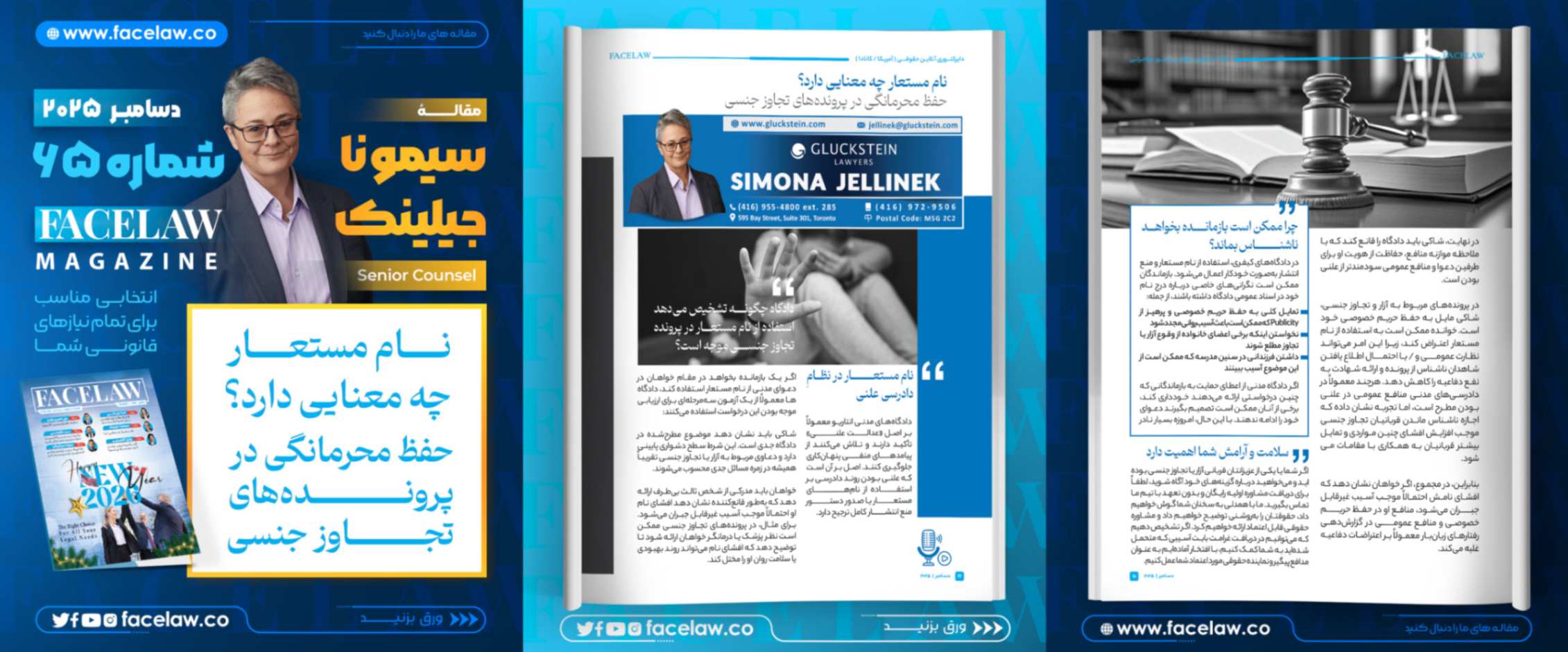
نام مستعار چه معنایی دارد؟ حفظ محرمانگی در پروندههای تجاوز جنسی
دادگاههای مدنی انتاریو معمولاً بر اصل «عدالت علنی» تأکید دارند و تلاش میکنند از پیامدهای منفی پنهانکاری جلوگیری
Blog
Farsi Blog
Simona Jellinek

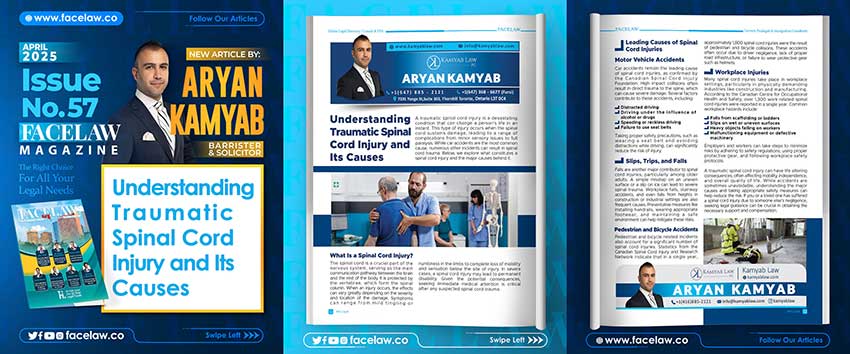
A traumatic spinal cord injury is a devastating condition that can change a person's life in an instant. This type of injury occurs when the spinal cord sustains damage, leading to a range of complications from minor sensory issues to full paralysis. While car accidents are the most common cause, numerous other incidents can result in spinal cord trauma. Below, we explore what constitutes a spinal cord injury and the major causes behind it.
What Is a Spinal Cord Injury?
The spinal cord is a crucial part of the nervous system, serving as the main communication pathway between the brain and the rest of the body. It is protected by the vertebrae, which form the spinal column. When an injury occurs, the effects can vary greatly depending on the severity and location of the damage.
Symptoms can range from mild tingling or numbness in the limbs to complete loss of mobility and sensation below the site of injury. In severe cases, a spinal cord injury may lead to permanent disability. Given the potential consequences, seeking immediate medical attention is critical after any suspected spinal cord trauma.
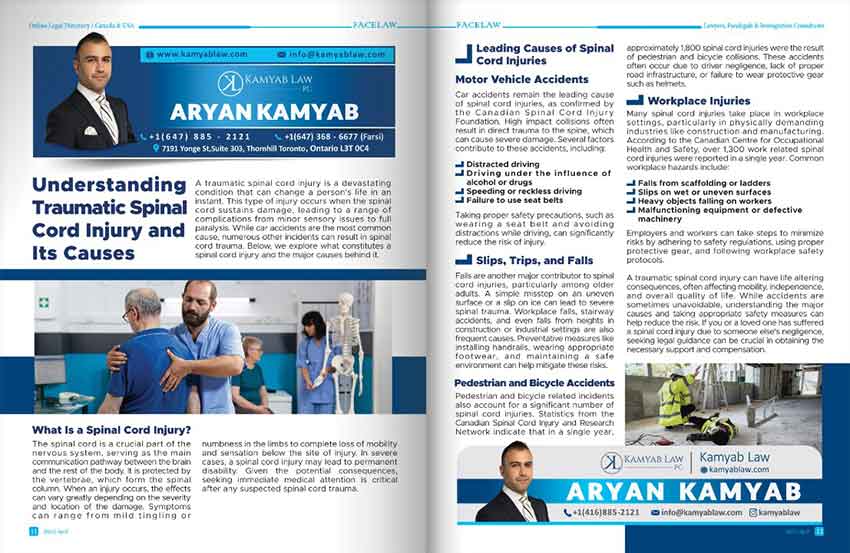
Leading Causes of Spinal Cord Injuries
Motor Vehicle Accidents
Car accidents remain the leading cause of spinal cord injuries, as confirmed by the Canadian Spinal Cord Injury Foundation. High-impact collisions often result in direct trauma to the spine, which can cause severe damage. Several factors contribute to these accidents, including:
Taking proper safety precautions, such as wearing a seat belt and avoiding distractions while driving, can significantly reduce the risk of injury.
Slips, Trips, and Falls
Falls are another major contributor to spinal cord injuries, particularly among older adults. A simple misstep on an uneven surface or a slip on ice can lead to severe spinal trauma. Workplace falls, stairway accidents, and even falls from heights in construction or industrial settings are also frequent causes. Preventative measures like installing handrails, wearing appropriate footwear, and maintaining a safe environment can help mitigate these risks.
Pedestrian and Bicycle Accidents
Pedestrian and bicycle-related incidents also account for a significant number of spinal cord injuries. Statistics from the Canadian Spinal Cord Injury and Research Network indicate that in a single year, approximately 1,800 spinal cord injuries were the result of pedestrian and bicycle collisions. These accidents often occur due to driver negligence, lack of proper road infrastructure, or failure to wear protective gear such as helmets.
Workplace Injuries
Many spinal cord injuries take place in workplace settings, particularly in physically demanding industries like construction and manufacturing. According to the Canadian Centre for Occupational Health and Safety, over 1,300 work-related spinal cord injuries were reported in a single year. Common workplace hazards include:
Employers and workers can take steps to minimize risks by adhering to safety regulations, using proper protective gear, and following workplace safety protocols.
A traumatic spinal cord injury can have life-altering consequences, often affecting mobility, independence, and overall quality of life. While accidents are sometimes unavoidable, understanding the major causes and taking appropriate safety measures can help reduce the risk. If you or a loved one has suffered a spinal cord injury due to someone else's negligence, seeking legal guidance can be crucial in obtaining the necessary support and compensation.
دادگاههای مدنی انتاریو معمولاً بر اصل «عدالت علنی» تأکید دارند و تلاش میکنند از پیامدهای منفی پنهانکاری جلوگیری
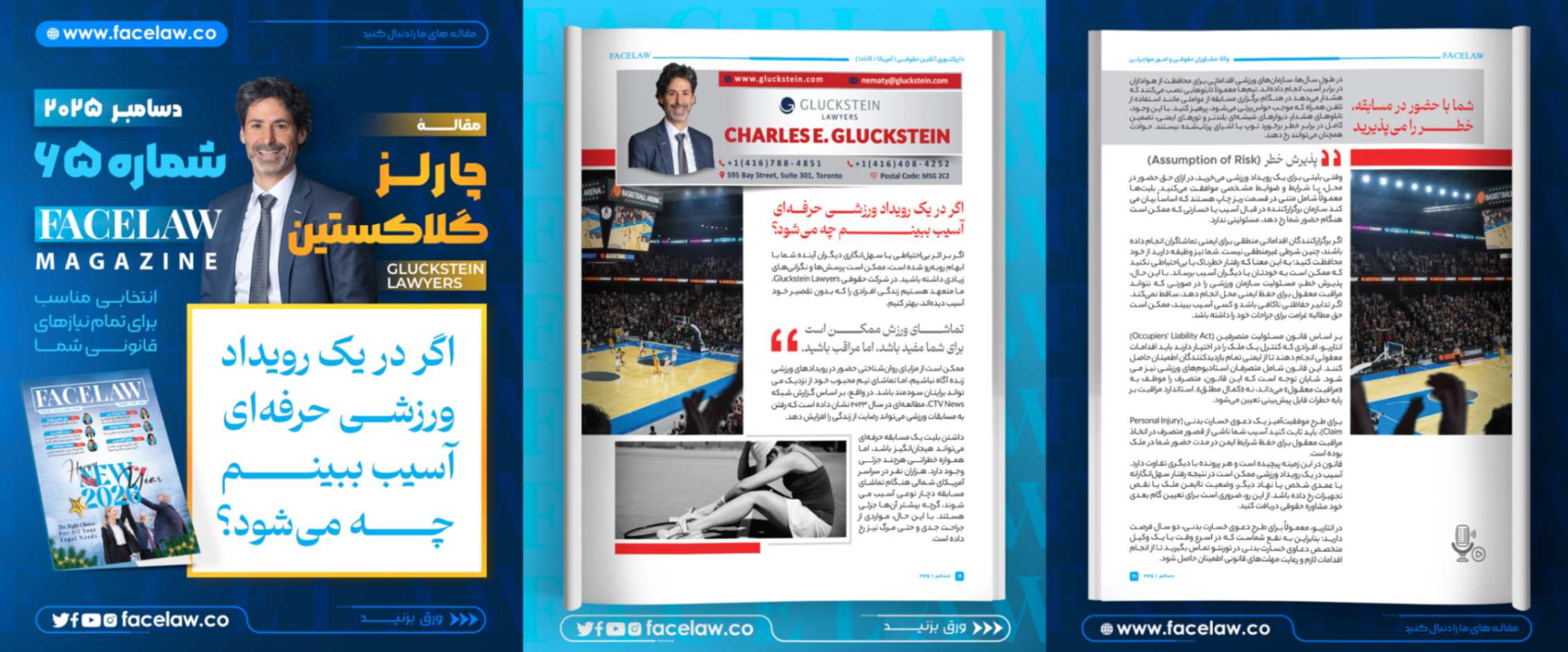
اگر بر اثر بیاحتیاطی یا سهلانگاری دیگران آینده شما با ابهام روبهرو شده است، ممکن است پرسشها و نگرانیهای
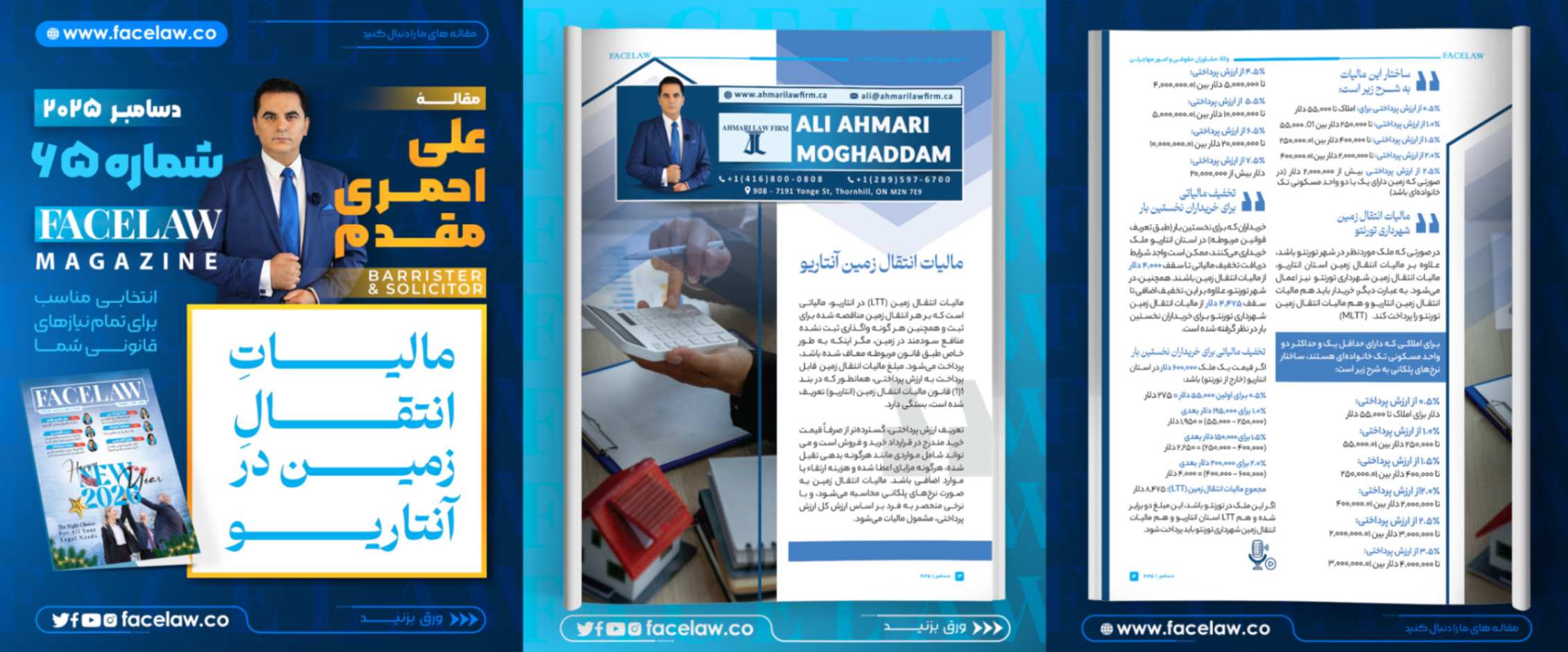
مالیات انتقال زمین (LTT) در انتاریو، مالیاتی است که بر هر انتقال زمین مناقصه شده برای ثبت و همچنین
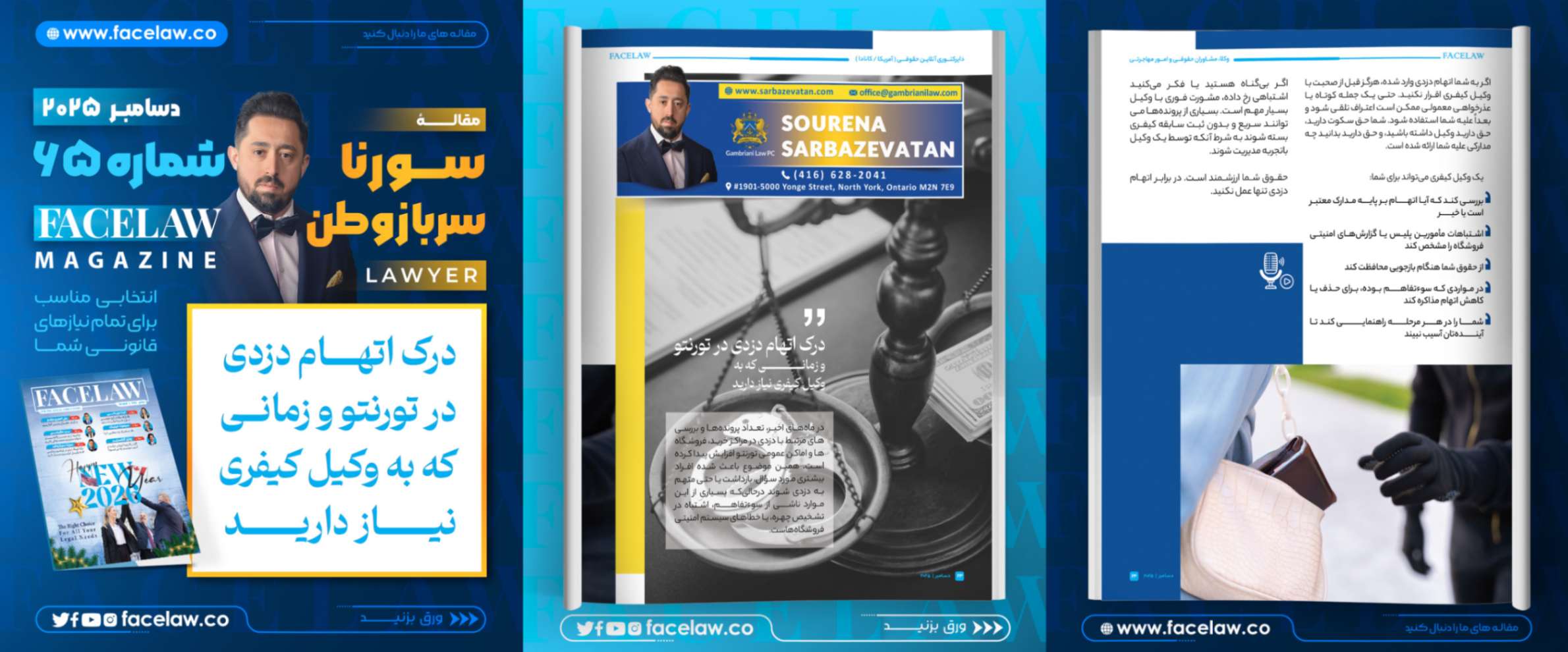
در ماههای اخیر، تعداد پروندهها و بررسیهای مرتبط با دزدی در مراکز خرید، فروشگاهها و اماکن عمومی تورنتو
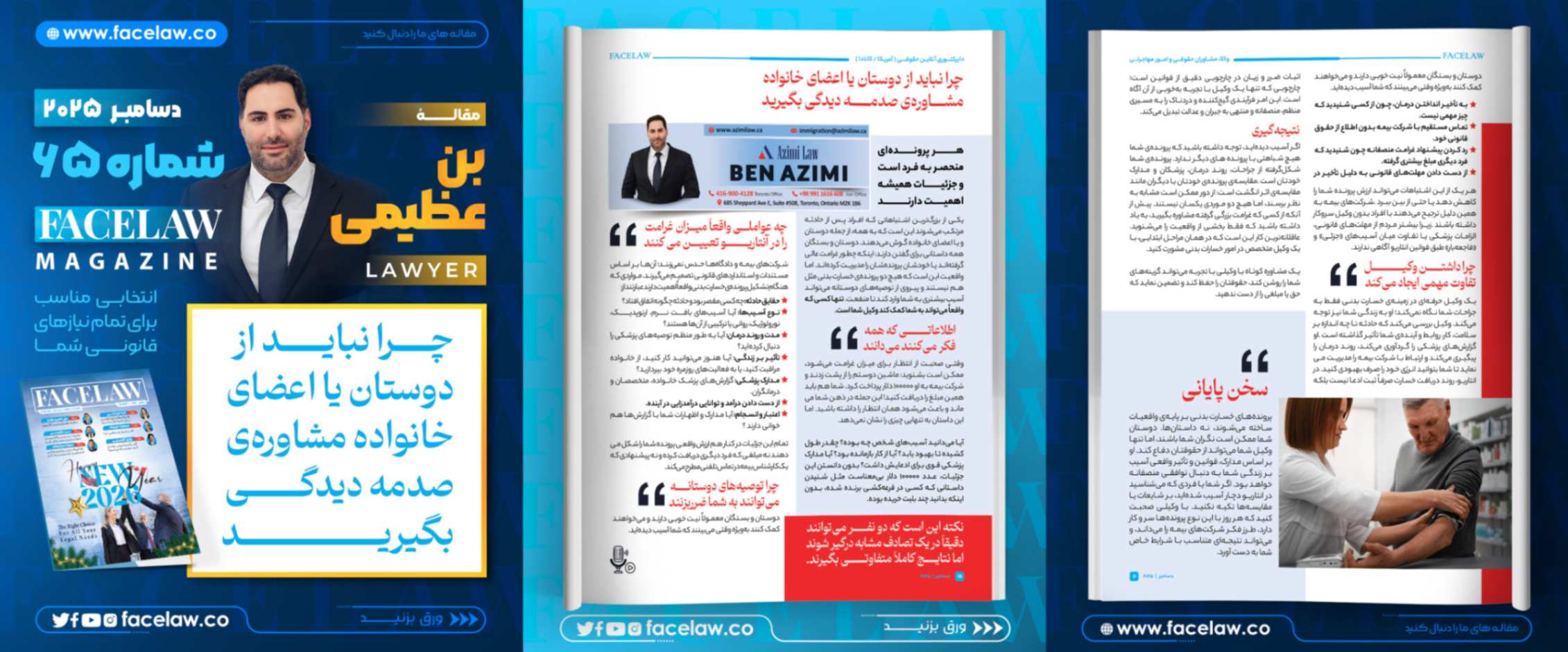
یکی از بزرگترین اشتباهاتی که افراد پس از حادثه مرتکب میشوند این است که به همه، از جمله دوستان

قانون خانواده فرض را بر تساوی دارایی خالص خانوادگی میگذارد. میتوانید برخی داراییها را مستثنی کنید