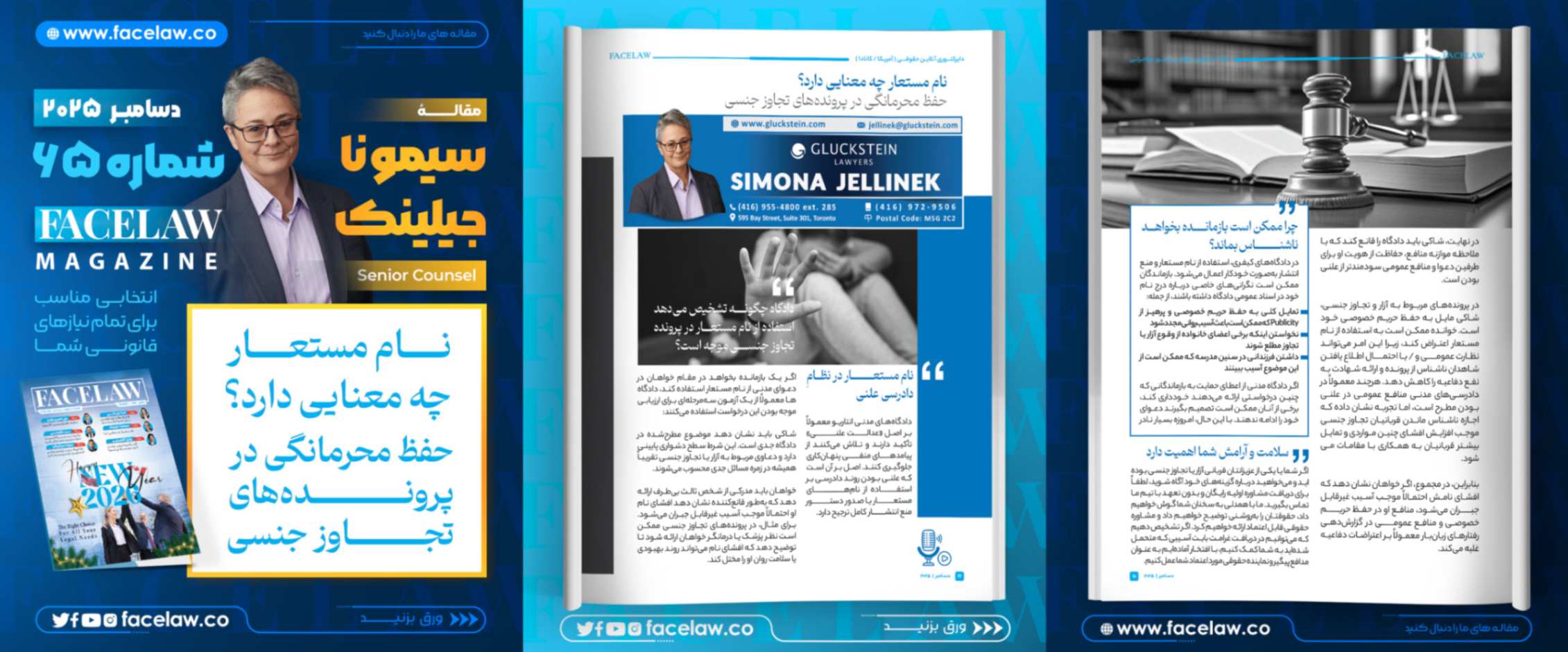
نام مستعار چه معنایی دارد؟ حفظ محرمانگی در پروندههای تجاوز جنسی
دادگاههای مدنی انتاریو معمولاً بر اصل «عدالت علنی» تأکید دارند و تلاش میکنند از پیامدهای منفی پنهانکاری جلوگیری
Blog
Farsi Blog
Simona Jellinek

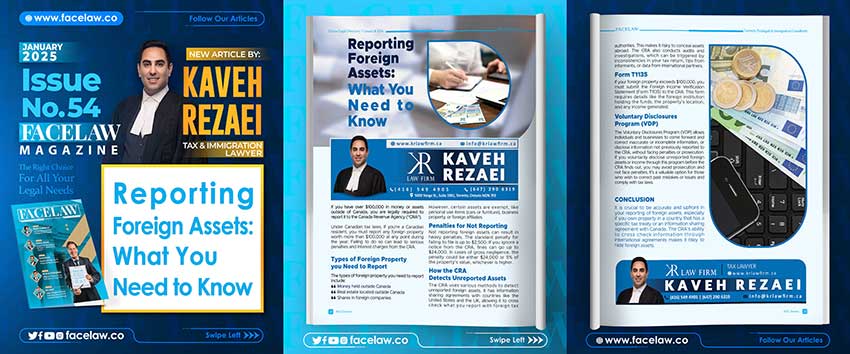
Reporting Foreign Assets: What You Need to Know
If you have over $100,000 in money or assets outside of Canada, you are legally required to report it to the Canada Revenue Agency (“CRA”).Under Canadian tax laws, if you're a Canadian resident, you must report any foreign property worth more than $100,000 at any point during the year. Failing to do so can lead to serious penalties and interest charges from the CRA.Types of Foreign Property you Need to ReportThe types of foreign property you need to report include:- Money held outside Canada- Real estate located outside Canada- Shares in foreign companiesHowever, certain assets are exempt, like personal-use items (cars or furniture), business property, or foreign affiliates.Penalties for Not ReportingNot reporting foreign assets can result in heavy penalties. The standard penalty for failing to file is up to $2,500. If you ignore a notice from the CRA, fines can go up to $24,000. In cases of gross negligence, the penalty could be either $24,000 or 5% of the property’s value, whichever is higher.
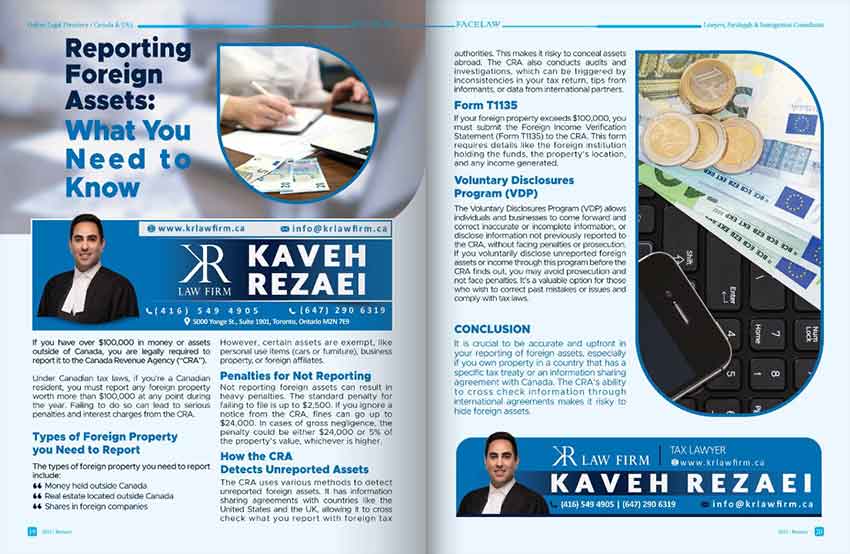
How the CRA Detects Unreported AssetsThe CRA uses various methods to detect unreported foreign assets. It has information-sharing agreements with countries like the United States and the UK, allowing it to cross-check what you report with foreign tax authorities. This makes it risky to conceal assets abroad. The CRA also conducts audits and investigations, which can be triggered by inconsistencies in your tax return, tips from informants, or data from international partners.Form T1135If your foreign property exceeds $100,000, you must submit the Foreign Income Verification Statement (Form T1135) to the CRA. This form requires details like the foreign institution holding the funds, the property's location, and any income generated.Voluntary Disclosures Program (VDP)The Voluntary Disclosures Program (VDP) allows individuals and businesses to come forward and correct inaccurate or incomplete information, or disclose information not previously reported to the CRA, without facing penalties or prosecution. If you voluntarily disclose unreported foreign assets or income through this program before the CRA finds out, you may avoid prosecution and not face penalties. It’s a valuable option for those who wish to correct past mistakes or issues and comply with tax laws.ConclusionIt is crucial to be accurate and upfront in your reporting of foreign assets, especially if you own property in a country that has a specific tax treaty or an information-sharing agreement with Canada. The CRA’s ability to cross-check information through international agreements makes it risky to hide foreign assets.
دادگاههای مدنی انتاریو معمولاً بر اصل «عدالت علنی» تأکید دارند و تلاش میکنند از پیامدهای منفی پنهانکاری جلوگیری
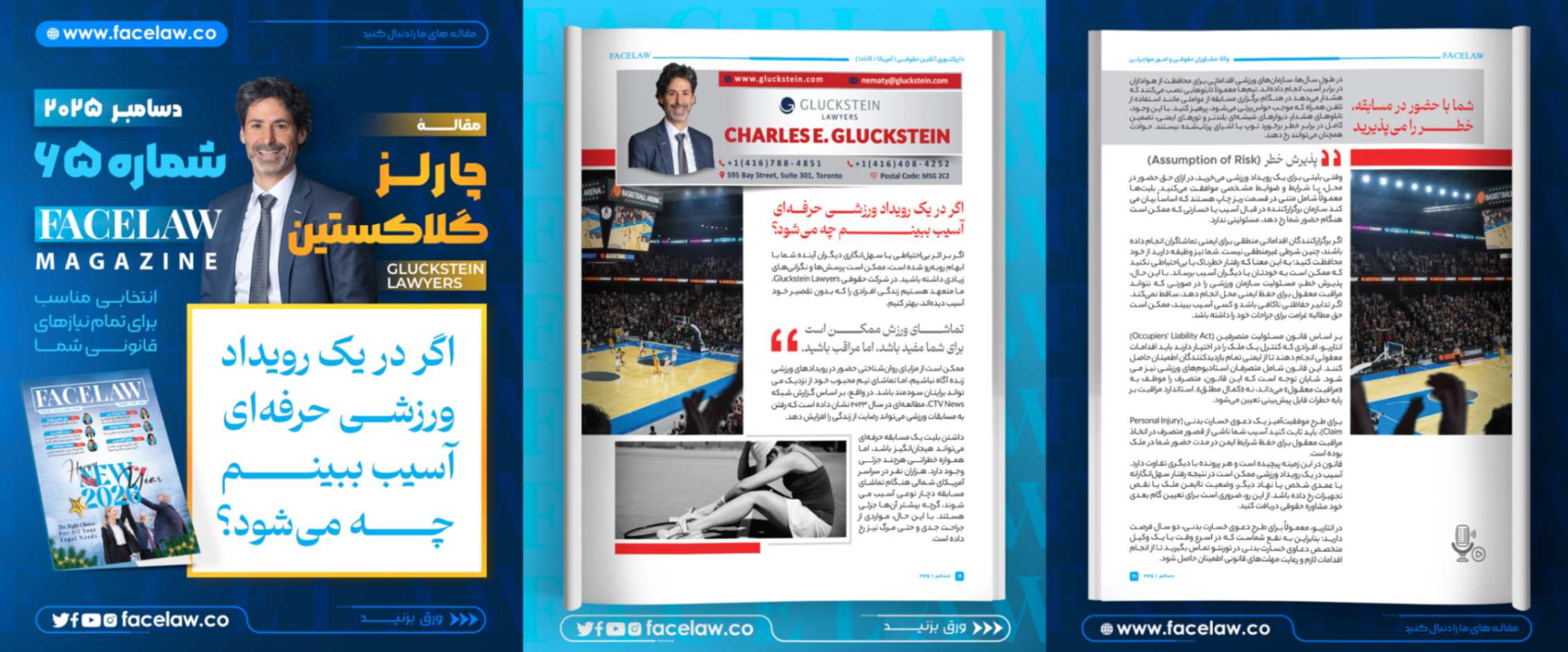
اگر بر اثر بیاحتیاطی یا سهلانگاری دیگران آینده شما با ابهام روبهرو شده است، ممکن است پرسشها و نگرانیهای
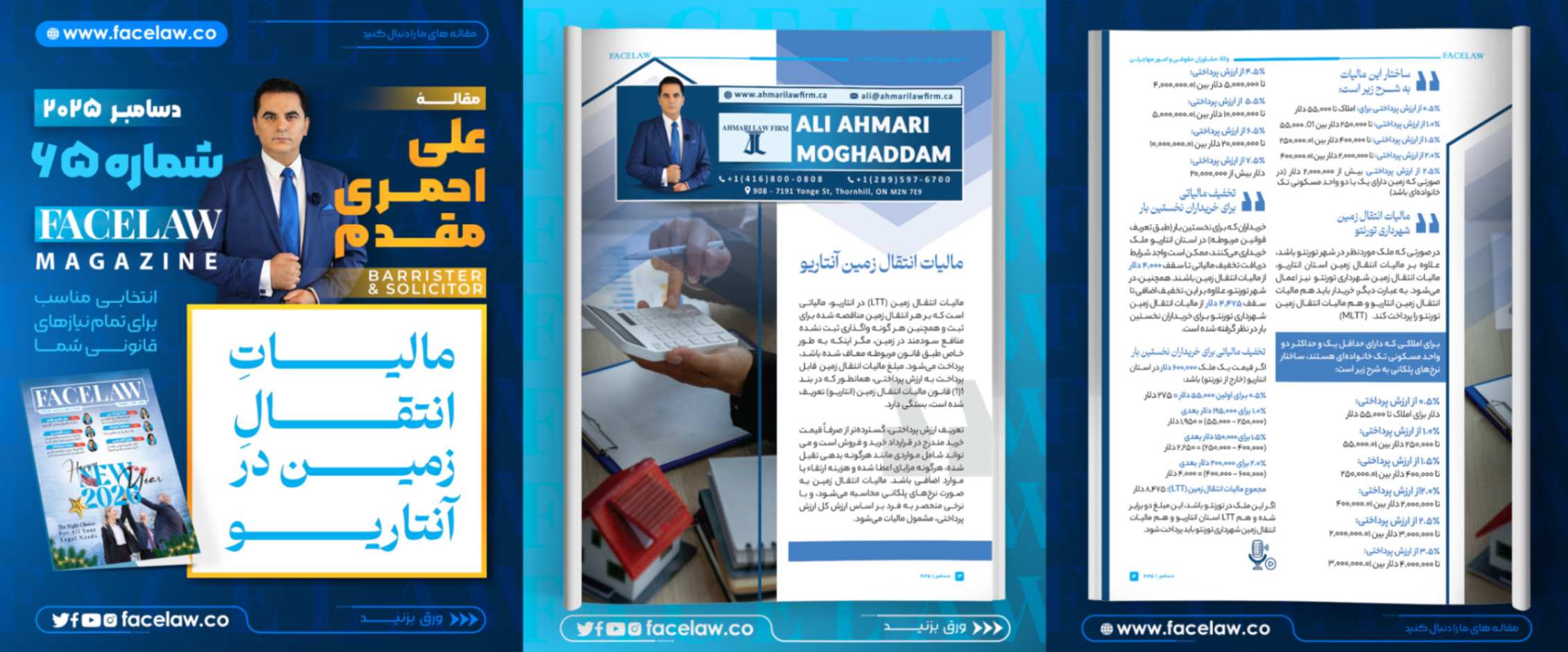
مالیات انتقال زمین (LTT) در انتاریو، مالیاتی است که بر هر انتقال زمین مناقصه شده برای ثبت و همچنین
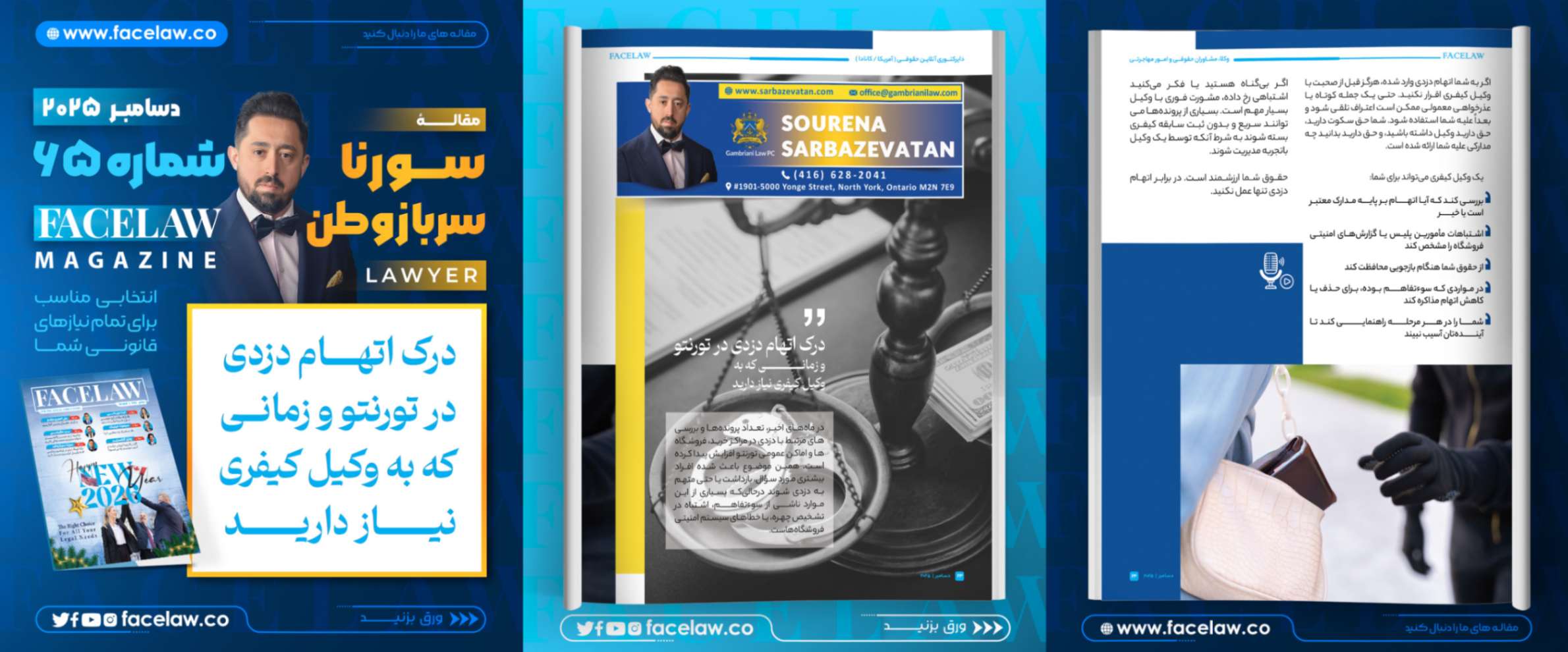
در ماههای اخیر، تعداد پروندهها و بررسیهای مرتبط با دزدی در مراکز خرید، فروشگاهها و اماکن عمومی تورنتو
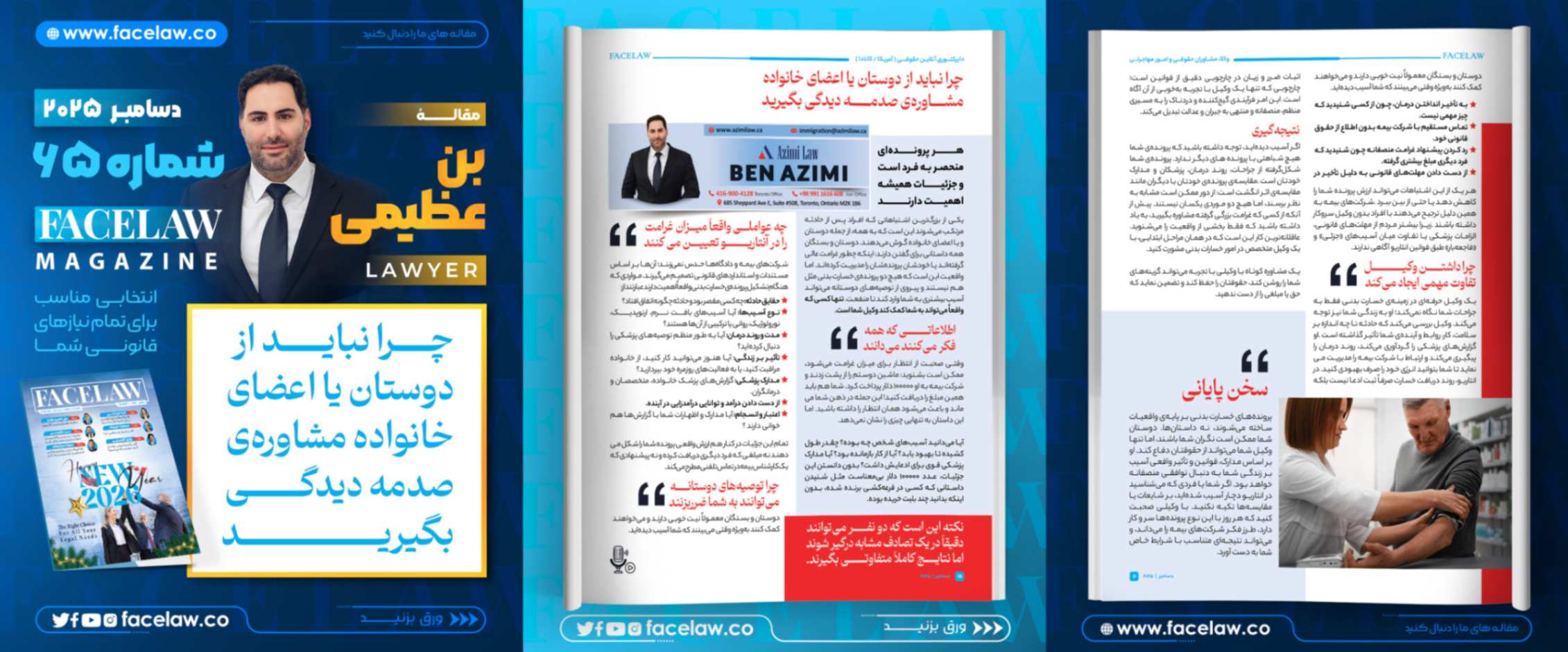
یکی از بزرگترین اشتباهاتی که افراد پس از حادثه مرتکب میشوند این است که به همه، از جمله دوستان

قانون خانواده فرض را بر تساوی دارایی خالص خانوادگی میگذارد. میتوانید برخی داراییها را مستثنی کنید