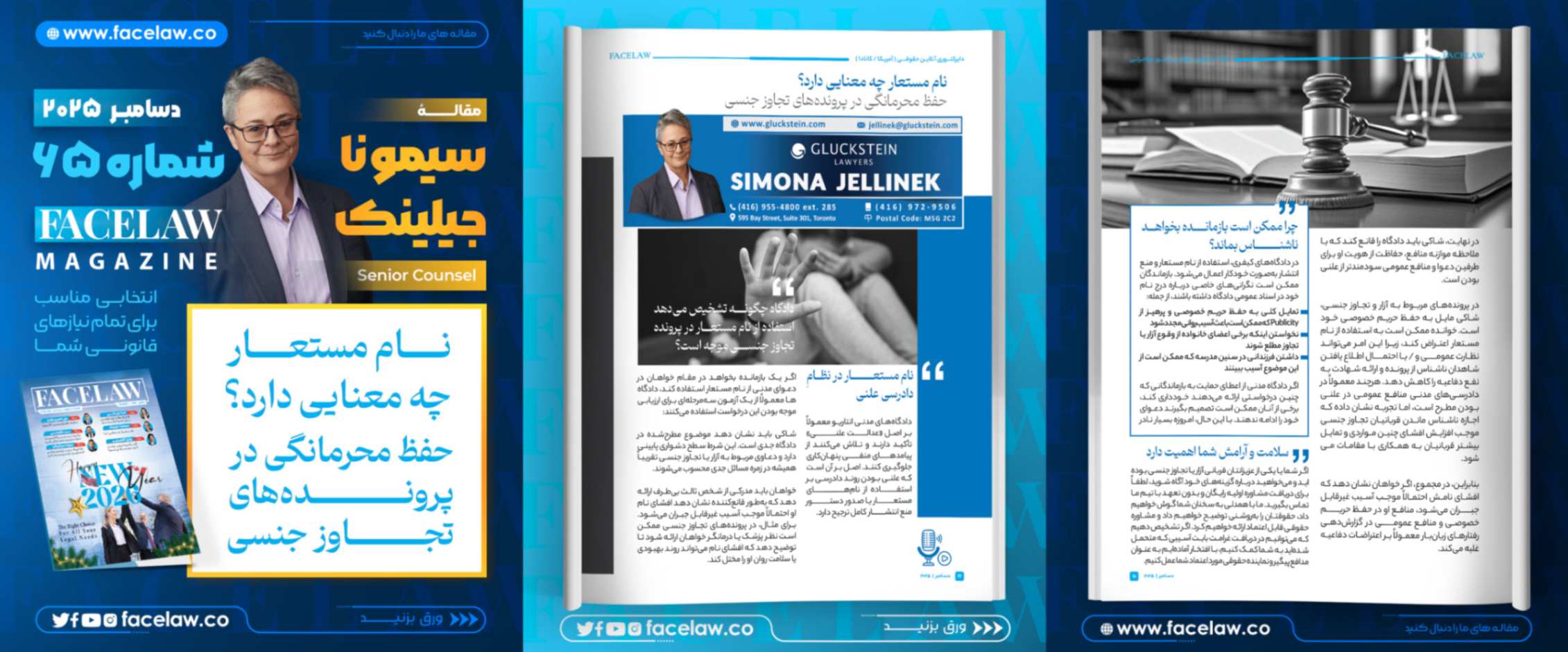
نام مستعار چه معنایی دارد؟ حفظ محرمانگی در پروندههای تجاوز جنسی
دادگاههای مدنی انتاریو معمولاً بر اصل «عدالت علنی» تأکید دارند و تلاش میکنند از پیامدهای منفی پنهانکاری جلوگیری
Blog
Farsi Blog
Simona Jellinek

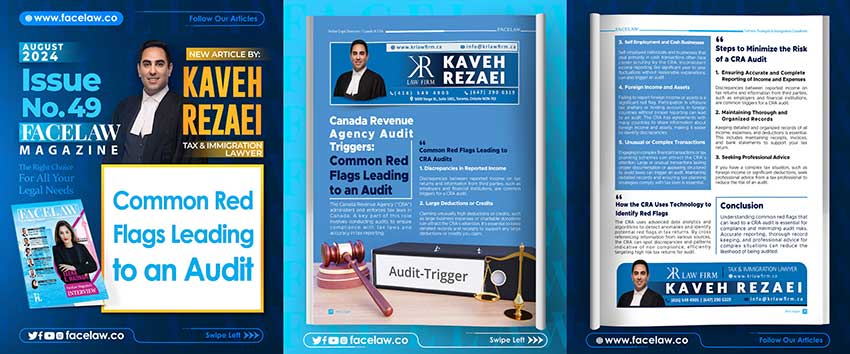
The Canada Revenue Agency (“CRA”) administers and enforces tax laws in Canada. A key part of this role involves conducting audits to ensure compliance with tax laws and accuracy in tax reporting.Common Red Flags Leading to CRA Audits1. Discrepancies in Reported IncomeDiscrepancies between reported income on tax returns and information from third parties, such as employers and financial institutions, are common triggers for a CRA audit.2.
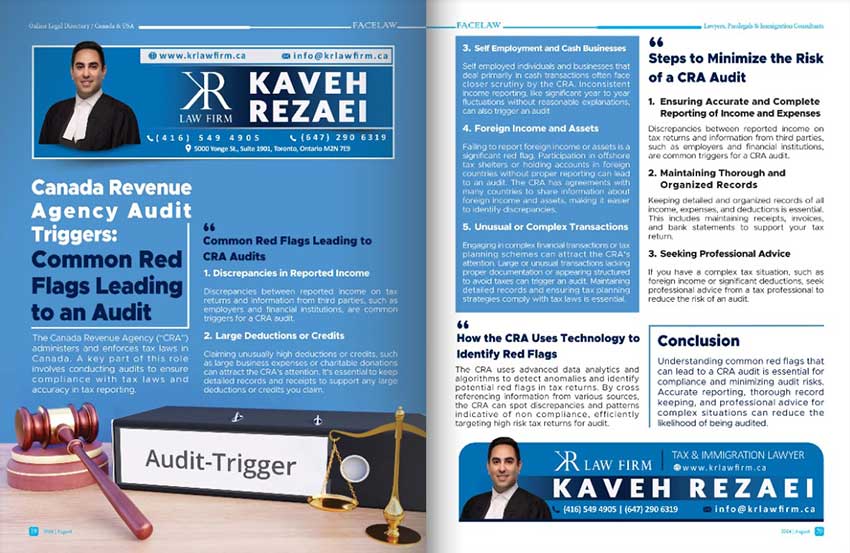
Large Deductions or CreditsClaiming unusually high deductions or credits, such as large business expenses or charitable donations can attract the CRA's attention. It's essential to keep detailed records and receipts to support any large deductions or credits you claim.3. Self-Employment and Cash BusinessesSelf-employed individuals and businesses that deal primarily in cash transactions often face closer scrutiny by the CRA. Inconsistent income reporting, like significant year-to-year fluctuations without reasonable explanations, can also trigger an audit.4. Foreign Income and AssetsFailing to report foreign income or assets is a significant red flag. Participation in offshore tax shelters or holding accounts in foreign countries without proper reporting can lead to an audit. The CRA has agreements with many countries to share information about foreign income and assets, making it easier to identify discrepancies.5. Unusual or Complex TransactionsEngaging in complex financial transactions or tax planning schemes can attract the CRA's attention. Large or unusual transactions lacking proper documentation or appearing structured to avoid taxes can trigger an audit. Maintaining detailed records and ensuring tax planning strategies comply with tax laws is essential.How the CRA Uses Technology to Identify Red FlagsThe CRA uses advanced data analytics and algorithms to detect anomalies and identify potential red flags in tax returns. By cross-referencing information from various sources, the CRA can spot discrepancies and patterns indicative of non-compliance, efficiently targeting high-risk tax returns for audit.Steps to Minimize the Risk of a CRA Audit1. Ensuring Accurate and Complete Reporting of Income and ExpensesMinimize the risk of a CRA audit by ensuring all income and expenses are reported accurately and completely. Double-check your tax return for errors or omissions and include all sources of income.2. Maintaining Thorough and Organized RecordsKeeping detailed and organized records of all income, expenses, and deductions is essential. This includes maintaining receipts, invoices, and bank statements to support your tax return.3. Seeking Professional AdviceIf you have a complex tax situation, such as foreign income or significant deductions, seek professional advice from a tax professional to reduce the risk of an audit.ConclusionUnderstanding common red flags that can lead to a CRA audit is essential for compliance and minimizing audit risks. Accurate reporting, thorough record-keeping, and professional advice for complex situations can reduce the likelihood of being audited.
دادگاههای مدنی انتاریو معمولاً بر اصل «عدالت علنی» تأکید دارند و تلاش میکنند از پیامدهای منفی پنهانکاری جلوگیری
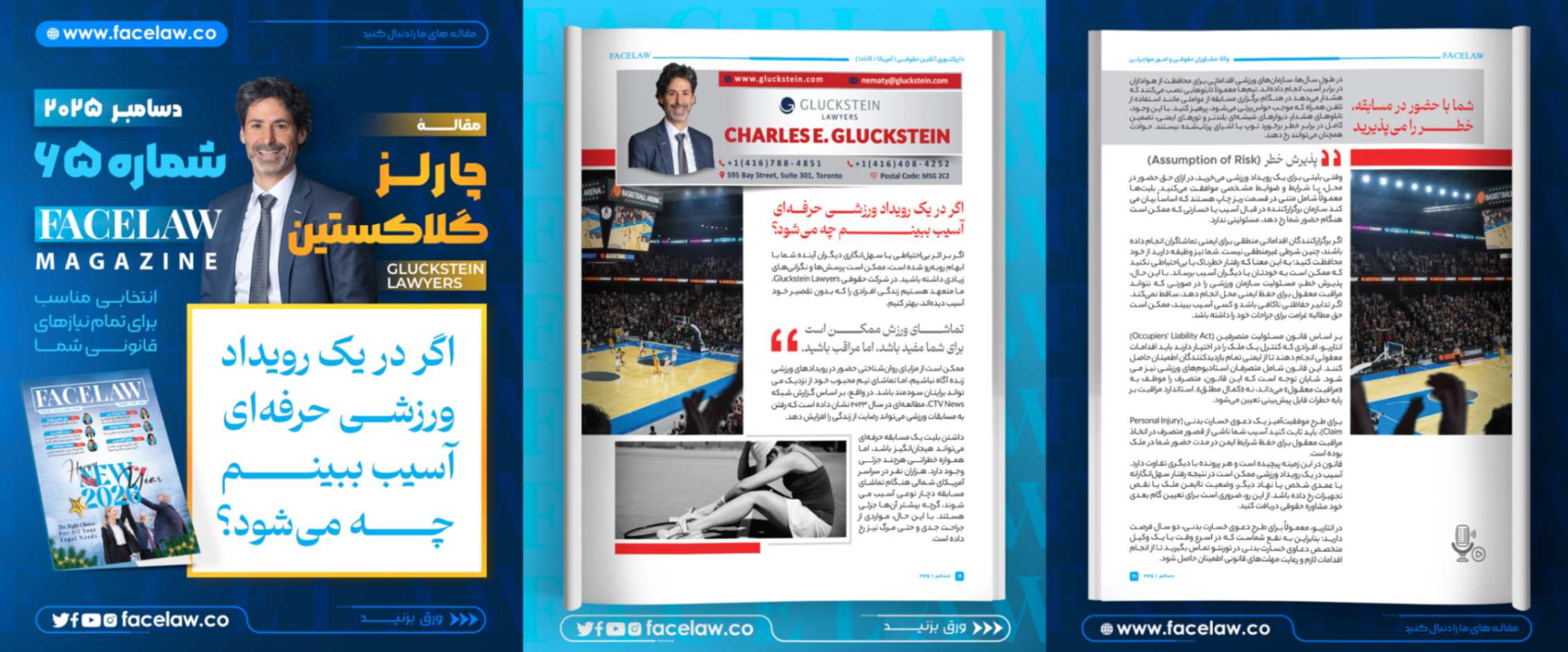
اگر بر اثر بیاحتیاطی یا سهلانگاری دیگران آینده شما با ابهام روبهرو شده است، ممکن است پرسشها و نگرانیهای
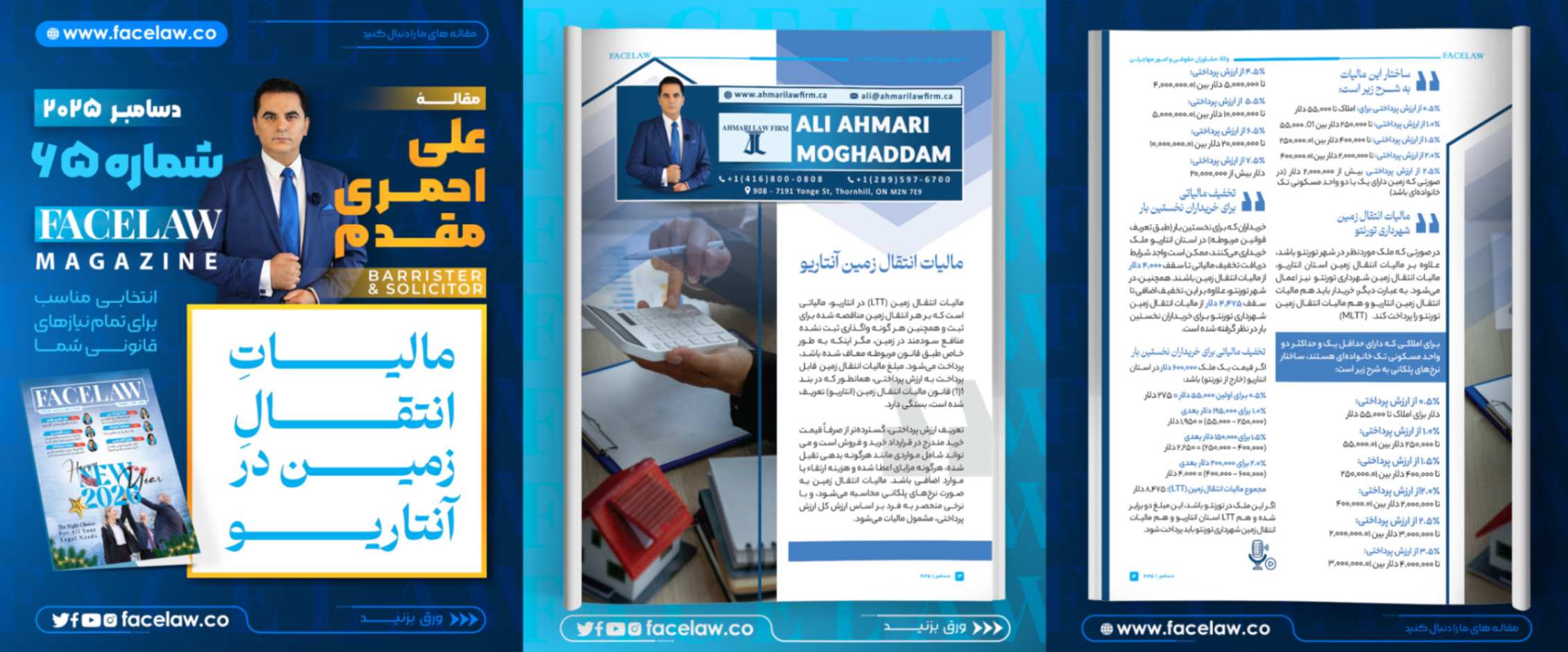
مالیات انتقال زمین (LTT) در انتاریو، مالیاتی است که بر هر انتقال زمین مناقصه شده برای ثبت و همچنین
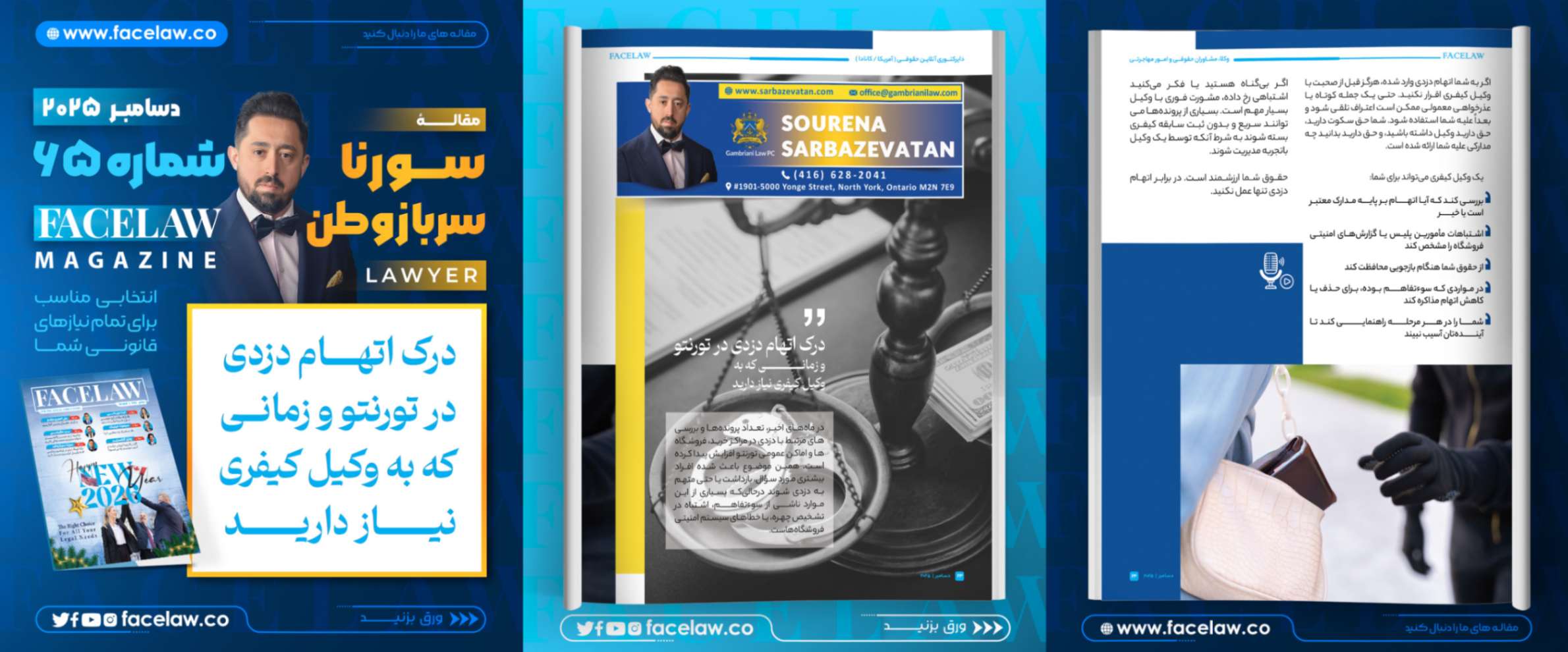
در ماههای اخیر، تعداد پروندهها و بررسیهای مرتبط با دزدی در مراکز خرید، فروشگاهها و اماکن عمومی تورنتو
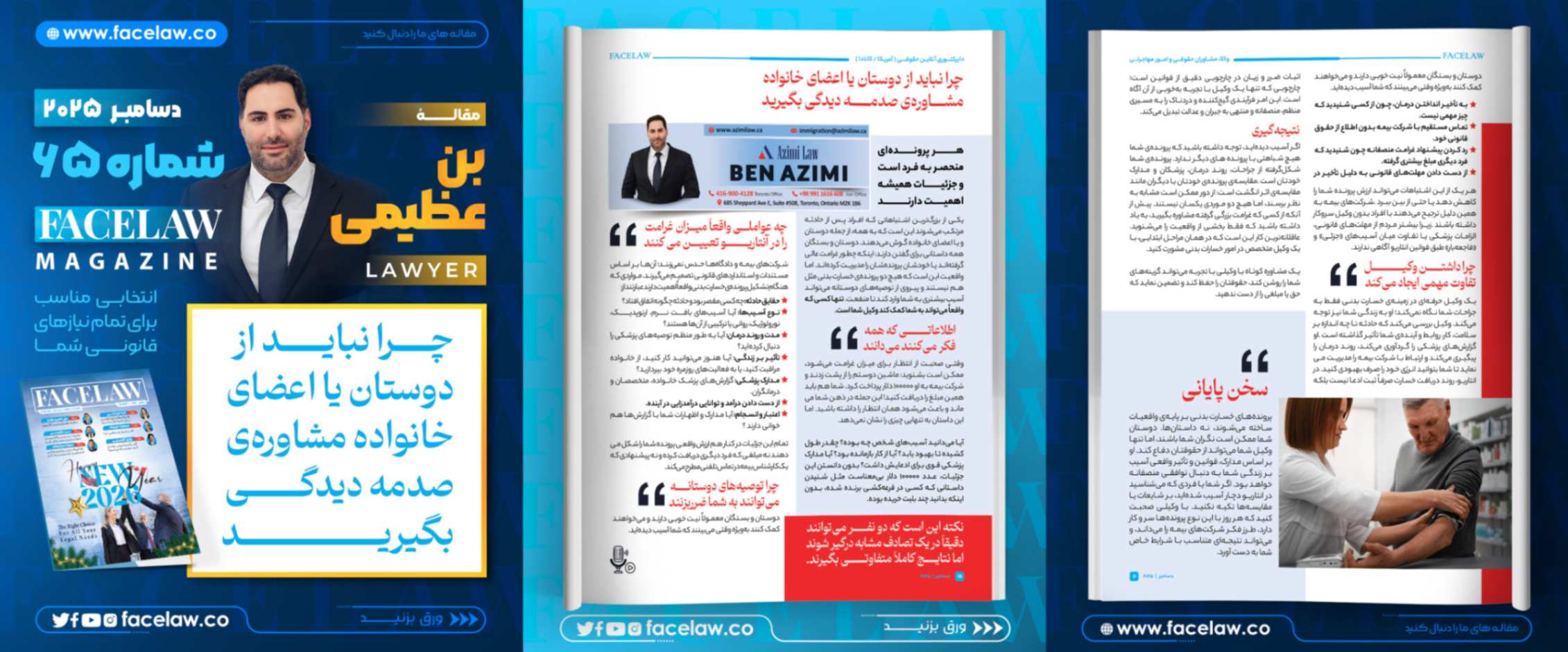
یکی از بزرگترین اشتباهاتی که افراد پس از حادثه مرتکب میشوند این است که به همه، از جمله دوستان

قانون خانواده فرض را بر تساوی دارایی خالص خانوادگی میگذارد. میتوانید برخی داراییها را مستثنی کنید